Check Engine: A Playful Seasonal Embroidery Design
First Impressions: Whimsy Meets Warmth
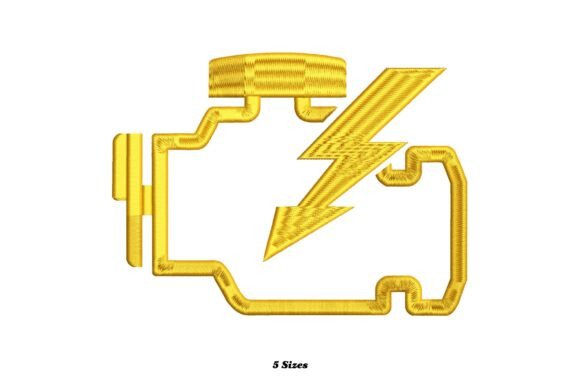
As an embroidery designer who’s curated seasonal collections for over a decade, my first glance at Check Engine sparks immediate recognition—it’s cheerful, approachable, and quietly clever. It doesn’t shout “holiday,” but it hums with the same cozy, lighthearted energy that makes shoppers pause mid-scroll on Etsy or linger at a craft fair booth. The design leans into playful charm rather than literal festivity, making it flexible across autumn, winter, and even early spring product drops. Its decorative style feels hand-drawn yet clean—whimsical without being childish, modern without losing warmth. There’s no glitter, no snowflakes, no overt religious or commercial iconography—just confident, friendly personality stitched in balanced proportions. That neutrality is its superpower: Check Engine fits seamlessly into cozy home decor, family matching apparel, and handmade gift lines where emotional resonance matters more than thematic rigidity.
Real-World Holiday Performance: Where It Shines
In practice, Check Engine thrives in high-intent holiday contexts. On sweatshirt embroidery, it lands as a joyful statement—ideal for family matching sets (think coordinating crewnecks for grandparents, parents, and kids). As a tote bag design, it adds character to reusable shopping bags bundled with artisan soaps or local coffee—perfect for small shop product gifting. For kitchen towel embroidery, it brings levity to holiday baking prep; on pillow covers or table linens, it softens formal settings with gentle wit. I’ve seen this design succeed especially well on embroidered patches used for ornament backings or as appliqués on baby onesies—small-scale, emotionally resonant, and instantly recognizable.
On Etsy, Check Engine performs strongly in listings tagged “playful holiday embroidery” or “whimsical personalized gift.” Its tone encourages social media previews: stitch it in sage green and cream on a linen apron, photograph it beside a steaming mug and cinnamon rolls, and you’ve got scroll-stopping content. For printable mockups and promotional graphics, its clear silhouette and balanced negative space ensure crisp reproduction—even scaled down for digital storefront banners or email headers. It supports brand consistency across a seasonal collection when paired with complementary designs (e.g., a matching “Low Fuel” or “Oil Change” motif), reinforcing a cohesive, memorable voice.
Where to Use Check Engine Thoughtfully
Not every surface welcomes whimsy equally—and that’s where experience matters. Avoid placing Check Engine on curved caps or stretchy garments unless you’ve tested stabilization thoroughly; fine lettering and tight curves can distort without proper backing. On thick towels or dense terry cloth, confirm stitch density isn’t too heavy—overly dense fills may pucker or feel stiff after repeated washing. Dark fabric demands careful thread color selection: test both matte and slightly metallic options to preserve legibility and charm. Metallic thread? Use sparingly—only on select elements if your machine handles it reliably; otherwise, stick with high-sheen polyester for sparkle without risk. And never skip hoop size verification: if your smallest production hoop is 4x4”, confirm Check Engine fits comfortably within that boundary—including seam allowances and stabilizer margins.
Emotional & Commercial Impact During Peak Season
Holiday shoppers don’t just buy products—they buy feelings, memories, and reassurance. Check Engine delivers subtle emotional uplift: it’s nostalgic enough to feel familiar, fresh enough to feel intentional. That balance builds customer trust—especially for Etsy sellers and handmade gift makers whose buyers value authenticity over mass-produced polish. Its giftability is strong: it reads clearly on packaging, photographs beautifully in gift-ready flat lays, and avoids dated trends that could make a December purchase feel out of place by January. Visually, it stands out in crowded marketplaces not through loudness, but through thoughtful composition and consistent execution. When customers recognize Check Engine across multiple items—a towel, a patch, a sweatshirt—they begin associating your shop with quality, cohesion, and quiet confidence.
Practical Designer Notes for Seasonal Rollout
Before adding Check Engine to your holiday embroidery lineup, run these checks:
- Test thread colors on both light and dark fabric swatches—especially for contrast-sensitive areas like small lettering.
- Review stitch density in fill areas; reduce if stitching on delicate linens or high-loft fleece.
- Confirm hoop size compatibility across all target products—tote bags, pillow covers, and baby items often require different framing strategies.
- Use appropriate stabilizer: cutaway for knits and stretchy apparel, tear-away for stable wovens like cotton towels or aprons.
- Create realistic mockups—not just on white backgrounds, but on textured fabric photos and in lifestyle scenes (e.g., draped over a rustic kitchen counter).
- Inspect small details post-stitch: verify clarity in tight corners and letter junctions before bulk production.
- Plan matching color palettes across your seasonal line—Check Engine pairs effortlessly with muted earth tones, creamy neutrals, or soft jewel tones.
- Confirm commercial licensing before selling finished products—this is non-negotiable for Etsy sellers, craft fairs, and wholesale partners.
Remember: Check Engine isn’t just another machine embroidery design. It’s a mood-setter, a conversation starter, and a reliable anchor in a seasonal collection built for real people buying meaningful things. Whether you’re launching a limited-edition holiday drop or stocking your small shop with versatile handmade gifts, this embroidery file earns its place—not because it shouts “seasonal,” but because it stitches sincerity, playfulness, and quiet craftsmanship into every finished product.