Deer Head Embroidery Design Review
First Impression: Rustic Charm Meets Professional Versatility
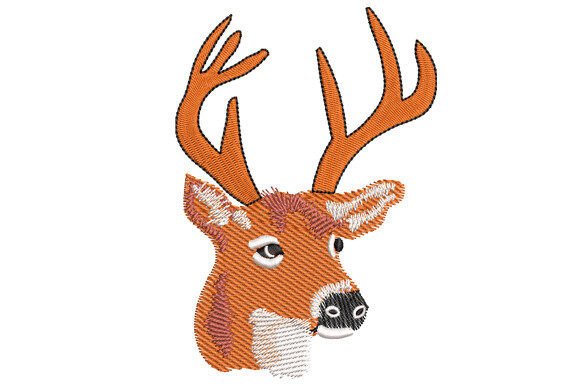
As an embroidery designer who’s developed and tested hundreds of machine embroidery designs for small business merch, my first impression of Deer Head is immediate and grounded: it reads as warm, intentional, and quietly confident. The title alone—Deer Head—evokes the Woodland Animals category without leaning into cartoonishness or overused clichés. There’s no forced whimsy, no excessive antler flourish, no distracting background elements. That simplicity is its strength—and its strategic advantage for branded use. It feels handmade but polished, rustic yet refined—ideal for boutiques, cafés, florists, pet brands, and creative studios that want authenticity *without* sacrificing professionalism.
Real-World Business Performance Across Merch Channels
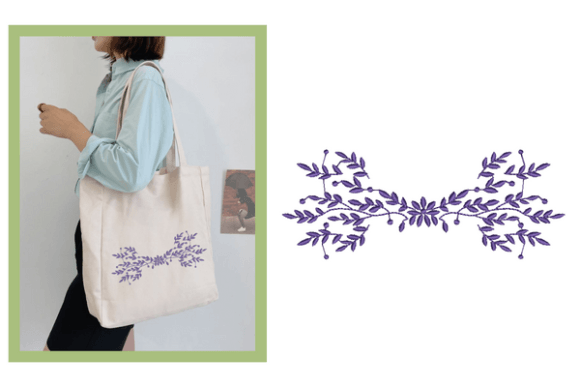
Deer Head shines where many animal motifs falter: in scalable, repeatable, brand-consistent applications. As an embroidered patch, it holds crisp definition at 2.5"–3.5" with balanced negative space—critical for iron-on or sew-on application on aprons, tote bags, and staff jackets. On caps, it works beautifully centered on the front panel when digitized with clean satin-stitched antlers and a slightly softened outline to avoid stiffness. For custom apparel like work shirts or café aprons, Deer Head serves as a subtle chest logo accent—not loud, but memorable. Its silhouette-based structure translates well to tote bag design, especially when paired with minimalist typography (e.g., “Hearth & Pine Bakery” beneath it).
For product packaging accents—think kraft gift tags, linen pouches, or reusable produce bags—Deer Head adds tactile, nature-aligned credibility. Etsy sellers report stronger buyer engagement when using this design as part of a cohesive set: embroidered patch + printable mockup + branded thank-you card. And for event merch or local business collabs (a florist x ceramicist pop-up, for example), Deer Head bridges aesthetic languages—organic, grounded, and effortlessly cohesive.
Where to Use Deer Head Thoughtfully
Like any strong embroidery file, Deer Head performs best when matched to the right context. Avoid placing it on highly curved surfaces (like cap bills) *without* testing the digitization for puckering—antler tips can distort if stitch density isn’t calibrated for stretch or curve. Similarly, while it scales down well for small patches, go below 1.75" only after verifying thread color contrast and outline clarity on your target fabric. Dark uniforms? Prioritize high-contrast thread colors—navy with cream or charcoal with heathered tan—rather than relying on default palettes. And always inspect spacing between antler tines and facial features: tight gaps risk filling in on textured fabrics like canvas or heavy twill.
Frequent washing is another practical check: if used on staff aprons or restaurant uniforms, confirm the design uses appropriate underlay and reduced stitch density in delicate areas. Over-digitized antlers may fray or lose definition over time. This isn’t a flaw—it’s a reminder that even versatile designs need intentional execution.
Brand Identity Impact: More Than Just a Motif
Deer Head does quiet, consistent brand work. It signals care, craftsmanship, and connection—to land, season, and story. For a small business, that builds trust faster than generic fonts or stock icons. Customers recognize it across touchpoints: the same clean silhouette on a tote bag, a sleeve detail, and a woven label creates visual consistency without repetition fatigue. It elevates perceived value—handmade product feels more intentional when anchored by a considered emblem like Deer Head.
Crucially, it avoids trend dependency. Unlike seasonal graphics or typographic fads, Deer Head supports long-term brand identity. A bakery launching holiday cookies *and* year-round sourdough can use the same core design—scaled, recolored, or repositioned—without visual whiplash. That flexibility strengthens buyer engagement: customers begin to associate the motif with quality, reliability, and thoughtful curation—not just “cute deer.”
Practical Designer Notes for Commercial Use
Before cutting thread or sending files to production, here’s what I recommend:
- Test in black and white first. Assess contrast, balance, and silhouette integrity—color can mask structural weaknesses.
- Verify small-patch performance. Resize to 1.75" and 2" in your embroidery software; zoom in on antler tips and eye detail.
- Review thread color contrast on your actual fabric swatches—not just screen previews.
- Inspect spacing and underlay in dense areas; tight curves or fine lines need proper stabilization.
- Confirm hoop size compatibility with your commercial embroidery machines—some versions may require larger hoops for optimal tension.
- Test on real fabric with your intended stabilizer combo (cutaway for caps, tear-away for totes, fusible for patches).
- Create a printable mockup for client approval—show Deer Head alongside other design assets (logo, font pairings, tagline) to assess visual harmony.
- Compare it beside existing brand elements. Does it complement—or compete with—your primary logo?
- Confirm commercial licensing before bulk production. Since this is marketed for small business merch and branded patch use, verify usage rights cover resale, promotional items, and digital embroidery file distribution—if applicable to your model.
Remember: Deer Head isn’t just a decoration. It’s a functional piece of your brand architecture. When executed with attention to fabric, scale, and context, it becomes a silent ambassador—elegant in its restraint, resilient in its application, and deeply aligned with businesses that value authenticity, craft, and quiet distinction. Whether you’re digitizing it in-house or sourcing a ready-made embroidery file, treat Deer Head as a strategic asset—not just another design in your library.