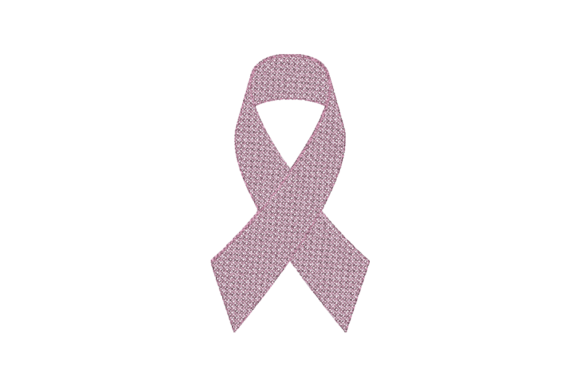
Ribbon Laydown Stitch
First Impressions: Graceful, Not Fussy
When I opened Ribbon Laydown Stitch for the first time, I didn’t see “cute” or “trendy”—I saw intentional. It’s a fluid, ribbon-like motif that flows with quiet confidence—not stiff, not overworked. The curves are generous but controlled; the negative space breathes. There’s no forced symmetry, no cluttered fill stitch density—just clean satin stitch runs and subtle transitions between directional elements. It feels like something you’d choose for a boutique baby onesie or a linen tea towel meant to live on a kitchen counter for years—not a flash-in-the-pan social media prop. That’s rare in Awareness-category embroidery files, where sentiment often overrides structure.
A Real Project Test: Embroidering a Linen Tote for a Local Bakery
Last week, I used Ribbon Laydown Stitch as the centerpiece on a heavyweight natural linen tote bag for a neighborhood sourdough bakery. No applique design—just the standalone motif, 3.8" wide, stitched directly onto the front panel. I paired it with soft ecru thread on oat-colored fabric, used medium-cutaway stabilizer, and ran it at 650–700 SPM. The result? A finished product that looked hand-drawn, not machine-stitched. Customers noticed it immediately—not because it shouted, but because it *settled* into the fabric like it belonged there. One repeat buyer told me, “It makes the bag feel special without trying too hard.” That’s the quiet power of this machine embroidery design: it elevates the handmade product without overshadowing the material or the craft.
Where It Shines (and Where It Asks for Thought)
Ribbon Laydown Stitch performs beautifully on stable, mid-weight fabrics—think cotton twill aprons, brushed cotton sweatshirt fronts, structured pillow covers, and woven tea towels. Its open layout means it breathes on dense weaves and reads clearly even after repeated washing. On baby embroidery projects—like organic cotton burp cloths or muslin swaddle wraps—it adds gentle visual interest without overwhelming delicate scale.
But it’s not universally forgiving. On stretchy fabric like jersey t-shirts or curved surfaces like cap fronts, the ribbon’s continuous flow can distort if stabilizer isn’t precisely matched to fabric movement. Thin fabric (e.g., lightweight voile) risks show-through in satin stitch zones unless you adjust thread tension or add tear-away backing underneath. And on dark fabric? Test your thread colors carefully—some metallic or pastel tones lose definition fast. This isn’t a problem with the embroidery file itself; it’s about honoring how Ribbon Laydown Stitch interacts with real-world variables.
What It Does for Your Craft Business
If you’re an Etsy seller or small shop owner, Ribbon Laydown Stitch quietly strengthens brand consistency. It’s versatile enough for holiday embroidery (try it in deep forest green on burlap stockings) and wedding gifts (ivory thread on raw-edge napkins), yet distinct enough to become a signature touch—like your go-to monogram flourish or seasonal border. Customers associate it with care, not clutter. That builds trust. When buyers see this motif on your embroidered patch or custom apparel listing, they don’t just see decoration—they see intentionality. That translates directly to perceived value, repeat orders, and word-of-mouth referrals.
For digital product sellers, it’s a strong candidate for curated bundles—pair it with minimalist lettering files or botanical accents. Just remember: always confirm licensing before reselling the embroidery file itself or including it in commercial design assets. The description says it’s a downloadable embroidery design for crafting endeavors—but whether it supports unlimited commercial use of finished products? Check the fine print.
Practical Designer Notes You’ll Actually Use
- Always test on scrap fabric first—especially with textured fabric like bouclé or looped terry. Ribbon motifs catch differently on surface variation.
- Review stitch density visually, not just numerically. Look for areas where satin stitches run long and parallel—those spots need extra stabilizer grip on knit or loosely woven materials.
- Confirm hoop size compatibility before digitizing or resizing. Some versions of Ribbon Laydown Stitch may push standard 4x4 hoops; verify before stitching on tight deadlines.
- Inspect small details at 200% zoom—not just on screen, but in your embroidery software’s stitch simulator. Does the tail taper cleanly? Do corners hold shape?
- Test black-and-white mockups alongside color. This design relies on form and rhythm—so if it reads well in grayscale, it’ll hold up across thread palettes.
- Compare light and dark fabric backgrounds using printable mockups. Satin stitch sheen changes dramatically depending on contrast.
- Use proper stabilizer: medium cutaway for knits, tear-away for stable wovens, and optional topping for napped fabrics like fleece.
- Check commercial viability: Does your intended use—personalized gift, small shop product, or wholesale embroidered patch—align with the license terms? Don’t assume.
Final Thought: A Design That Works With You
Ribbon Laydown Stitch doesn’t demand attention—it earns it. It’s the kind of embroidery file that supports your voice as a designer rather than competing with it. Whether you’re embroidering a holiday gift, building a cohesive line of nursery decor, or creating custom apparel for a local brand, this motif integrates seamlessly. It’s not flashy, but it’s memorable. Not loud, but unmistakably yours when styled right. In a market crowded with over-digitized, high-density embroidery files, Ribbon Laydown Stitch is a reminder that sometimes the most effective design is the one that simply lays down—gracefully, confidently, and exactly where it should.