Easter Napkin Embroidery Design
First Impressions: Springtime Elegance Meets Playful Charm
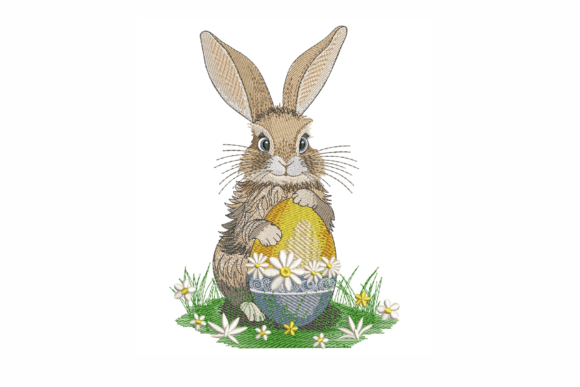
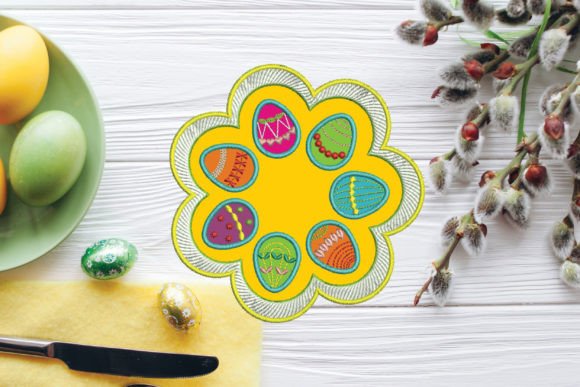
As an embroidery designer who’s built seasonal collections for over twelve years, my first glance at the Easter Napkin machine embroidery design stopped me mid-scroll. It doesn’t shout “Easter!” — it invites. The composition balances delicate floral motifs with vivid, hand-painted-style eggs and subtle whimsy in the looping vines. There’s no cartoonishness, no cluttered borders — just refined seasonal embroidery that feels both timeless and fresh. It leans elegant and cozy, with a quiet spiritual warmth rather than overt religious symbolism. That duality is gold for sellers: it works for farmhouse kitchens and modern apartments alike, appeals to grandmothers and Gen Z gift-givers, and fits seamlessly into curated home decor lines.
Real-World Product Applications: Where Easter Napkin Shines
This isn’t just a napkin design — it’s a versatile seasonal embroidery asset. On kitchen towels? Instant heirloom appeal — especially when paired with matching embroidered pillow covers or aprons. As a sweatshirt embroidery motif on lightweight cotton blends, it reads soft and celebratory, perfect for family matching sets (think pastel hoodies for moms and toddlers). On tote bags and lunch sacks, Easter Napkin adds gentle festivity without overwhelming — ideal for spring farmers’ markets or school egg hunts. As an embroidered patch, it elevates denim jackets or canvas backpacks with artisanal charm. And for baby items — onesies, burp cloths, or crib linens — its fine detail and rounded shapes feel tender and safe, not busy or sharp.
For Etsy sellers and small shop owners, Easter Napkin is a natural anchor for gift bundles: pair it with a linen napkin set, a mini jar of lavender honey, and a printed card for a ready-to-ship personalized gift. Its visual rhythm also translates beautifully into printable mockups — use it in Instagram carousels showing stitched samples on different fabrics, or layer it into Canva templates for holiday email banners. At craft fairs, display it stitched on a folded linen runner beside ceramic eggs and dried florals — it becomes part of the story, not just the product.
Where to Use Easter Napkin Thoughtfully
Every great embroidery file has sweet spots — and boundaries. With Easter Napkin, its intricate floral stems and layered egg textures mean stitch density matters. Avoid pushing it onto ultra-thick terry cloth towels without testing stabilizer layers — a tear-away + cut-away combo often wins here. On dark fabric, test thread colors carefully: light pastels may need underlay or brighter top threads to retain clarity. Metallic thread? Possible for accents (like egg highlights), but skip it for full coverage — the fine details could snag or break.
Small hoop sizes (<5” x 7”) demand attention: check whether the full design fits comfortably or if you’ll need to offer scaled-down versions (e.g., a single egg + flower cluster) for ornaments or baby bibs. Stretchy garments like ribbed knit sweatshirts require proper stabilization and possibly reduced density — always run a test on scrap fabric before committing to production. And while the design flows beautifully on flat surfaces (pillow covers, table linens), avoid curved caps or tight seams unless you’re confident in repositioning and hooping technique.
Seasonal Impact: Why Easter Napkin Builds Trust & Value
Holiday embroidery isn’t just about timing — it’s about emotional resonance. Easter Napkin taps into nostalgia without leaning kitschy, sophistication without coldness. That balance builds customer trust: shoppers recognize craftsmanship, not clip art. When buyers see consistent quality across your sweatshirt embroidery, kitchen towel embroidery, and embroidered patch offerings — all anchored by one cohesive design like Easter Napkin — they begin to associate your brand with thoughtful seasonal curation.
It also lifts perceived value. A plain linen napkin becomes a handmade gift when stitched with this design; a basic tote bag transforms into a limited-edition spring release. That premium feel supports higher price points and encourages repeat purchases — especially when customers start tagging your shop in “Easter morning” stories or gifting photos. Visually, its balanced layout and harmonious color flow make it instantly recognizable in social feeds and search thumbnails, boosting engagement during peak Easter shopping windows (early March through mid-April).
Practical Designer Notes Before You Stitch
- Always test thread colors on both light and dark fabric — pastel greens and soft yellows behave differently on navy vs. ivory.
- Check stitch density before scaling: high-density fills may pucker on lightweight knits or delicate linens.
- Confirm hoop size compatibility — don’t assume it fits standard 5x7 hoops without verifying dimensions in your embroidery software.
- Match stabilizer to fabric texture: cut-away for knits, tear-away for stable wovens, and heavy-duty for thick towels.
- Create realistic mockups — stitch on actual fabric swatches, not just digital previews, to assess how fine details hold up after washing.
- Review small details post-stitch: tiny flower centers and egg highlights should be crisp, not fuzzy or skipped.
- Plan cohesive color palettes across your product line — let Easter Napkin guide your thread selection for matching sweatshirt embroidery and pillow covers.
- Verify commercial licensing before selling finished products — ensure your digital embroidery file permits resale of physical embroidered goods.
For Etsy sellers, holiday product creators, and small business owners building meaningful seasonal collections: Easter Napkin isn’t filler. It’s a considered, emotionally intelligent machine embroidery design — one that earns shelf space, sparks joy, and stitches your brand deeper into the spring season.