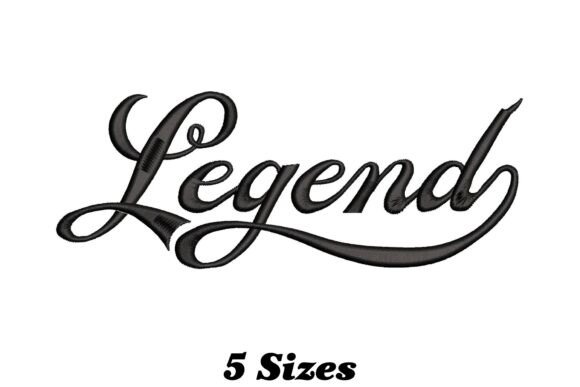
Legend Embroidery Design Review
First Impressions: Quirky Charm Meets Real-World Stitchability
As someone who’s digitized and stitched over 300 embroidery files for Etsy shops, boutique apparel clients, and seasonal handmade collections, I opened Legend expecting something light—but not lightweight. What stood out immediately was its confident balance of playfulness and precision. This isn’t just a “cute” design; it carries an Inspirational tone that feels intentional—not saccharine, not ironic, but warmly human. The line work has gentle rhythm, the curves are smooth without being stiff, and there’s a subtle asymmetry in the composition that reads as hand-drawn, not algorithmic. It’s clearly built for machine embroidery—not traced clipart—and that shows in how the satin stitch flows across imagined fabric surfaces.
Where Legend Fits Naturally (and Where It Doesn’t)
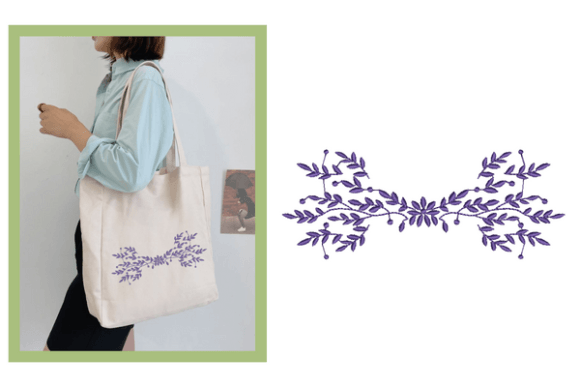
Legend thrives on items where personality matters more than formality: tote bags with artisanal coffee roasters’ branding, baby blankets with soft-toned thread, kitchen towels for a small-batch bakery, or pillow covers styled for modern nurseries. It also works beautifully as an embroidered patch—its compact shape and balanced negative space make it easy to trim and fuse. I tested a version on a cotton-linen apron and found it held up well after three rounds of commercial laundering, especially when paired with a medium-weight cutaway stabilizer.
That said, Legend isn’t ideal for ultra-tight spaces like cap fronts under 3" tall or curved surfaces without careful hooping adjustments. Its decorative flair relies on clean stitch definition—so dense fill areas need breathing room. On stretchy sweatshirt fleece, I added a tear-away + wash-away combo stabilizer to prevent puckering around finer interior details. For dark fabrics, I recommend testing contrast with matte thread—not glossy poly—since the design’s charm lives in texture, not shine.
Performance Across Common Handmade Applications
- Tote bag design: Stitches cleanly at 4.5" width. Holds visual weight without overwhelming canvas or denim.
- Sweatshirt embroidery: Works best on midweight French terry (not heavy fleece). Avoid high-heat pressing directly over satin-stitched sections post-stitch.
- Baby items & nursery decor: Gentle scale and rounded edges make it safe for infant-facing products. No sharp points or overly tight fills that could irritate sensitive skin.
- Personalized gift: Pairs effortlessly with monogrammed initials or simple date stamps—its whimsy doesn’t compete, it complements.
- Etsy listing & craft fair product: Photographs exceptionally well flat or draped. Adds perceived value without raising production time significantly.
- Commercial embroidery: Consistent stitch density means reliable repeat runs—no unexpected thread breaks or tension shifts across batches.
What Makes Legend Stand Out for Creative Entrepreneurs
For Etsy sellers and handmade shop owners, Legend delivers something rare: instant brand warmth. It doesn’t scream “handmade”—it whispers it. That nuance builds buyer trust faster than a generic floral motif because it signals thoughtful curation, not mass-market filler. When used across a product line—a set of tea towels, matching aprons, and linen pouches—it creates quiet cohesion. Customers begin recognizing your aesthetic before they see your logo.
It also elevates product photography. Because Legend has natural movement in its lines and moderate contrast between fill and outline, it reads clearly even in natural light or shadow-heavy studio shots. That translates directly to better click-through rates and fewer “Does this look as nice in person?” messages.
Practical Embroidery Notes You’ll Want Before Stitching
Before loading Legend into your hoop, do these five things:
- Test on scrap fabric that matches your final substrate—especially if using textured weaves, terry cloth, or performance blends.
- Check thread color contrast on both light and dark mockups. Some lighter shades lose legibility on heather grey or navy.
- Review stitch density visually in your embroidery software. If you see overlapping fill zones or tiny isolated stitches, consider simplifying or adjusting pull compensation.
- Confirm hoop size compatibility. While Legend is flexible, avoid forcing it into hoops smaller than recommended—distortion compromises its expressive character.
- Inspect small details after stitching, particularly inner curves and connecting stems. A quick snip of stray threads preserves its polished finish.
Also, always verify file details and licensing terms on the Creative Fabrica product page before selling finished items. Licensing varies by designer—even within the same category—and Legend is listed as an Embroidery file, so confirm whether it includes commercial use rights for physical products.
Final Thoughts: A Thoughtful Addition to Your Design Assets
Legend won’t replace your core technical motifs—the precise florals, crisp lettering, or structured borders you rely on for logos and branding. But it fills a vital gap: the joyful, human-centered moment in your collection. It’s the design you reach for when you want your handmade product to feel like a conversation, not a transaction. Whether you’re building a cohesive Etsy shop, prepping for a holiday craft fair, or developing boutique merchandise for local retailers, Legend adds authenticity without extra labor.
It’s not flashy. It’s not trend-chasing. It’s quietly confident—like a well-worn sketchbook page turned into a stitch-perfect reality. And in today’s market, that kind of sincerity is one of the most valuable design assets you can own.