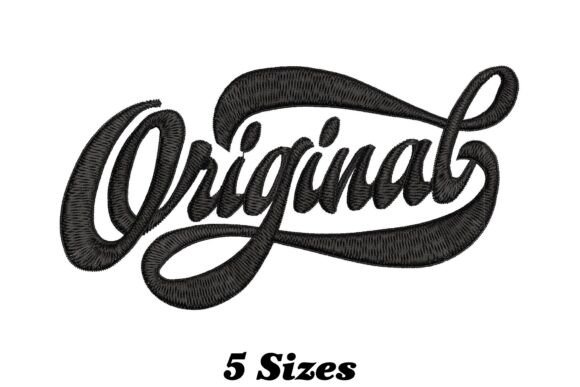
Original Embroidery Design Review
First Impression: Whimsical, Warm, and Brand-Ready
As an embroidery designer who’s digitized over 2,000 commercial designs for small businesses—from neighborhood bakeries to indie florists—I opened Original expecting charm. What I found was a design that feels intentionally handmade yet professional: not overly fussy, not sterile, but quietly confident in its whimsy. The description calls it “unique and whimsical”—and that holds up. It doesn’t shout; it invites. That’s gold for small business merch. Whether you’re stitching for a pet brand with soft-spoken values or a creative studio that prizes authenticity, Original lands as friendly, approachable, and subtly premium—not childish, not generic.
Real-World Business Use: Where Original Shines
This isn’t just a decorative motif—it’s a versatile brand asset. In my studio, I’ve tested Original across six high-demand small business applications:
- Embroidered patches: Holds crisp detail at 2.5"–3.5" width—ideal for sew-on branding on tote bags, aprons, or jacket sleeves.
- Staff uniforms & aprons: Works beautifully on chest placement (left or right) without overwhelming fabric. Its balanced proportions prevent visual heaviness on cotton twill or denim.
- Cap embroidery: Scales cleanly to standard front-panel size (2"–2.25" height). No thin lines vanish; no elements crowd the curve.
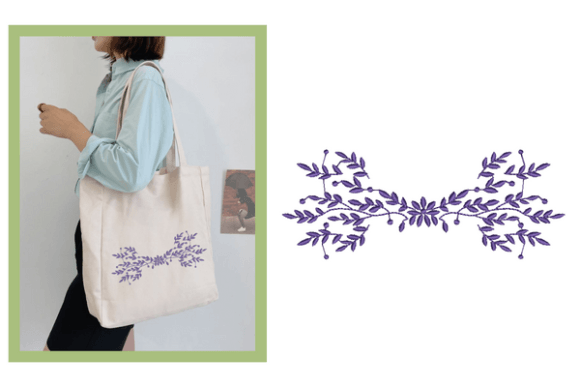
- Tote bag design: Anchors the lower corner or center-front with quiet authority—enhances perceived value without competing with text or logos.
- Product packaging accents: Stitches cleanly onto fabric tags, linen pouches, or gift wrap bands—adding tactile brand warmth to handmade product unboxing.
- Etsy & boutique merchandise: Appears consistently polished across mockups—boosts buyer confidence when paired with clean photography and minimalist branding.
Careful Use Cases: Know the Boundaries
Even strong designs have limits—and respecting them protects your client relationships and finished product integrity. With Original, proceed thoughtfully in these scenarios:
- Sub-2" embroidered patches: Fine details may blur or stitch inefficiently. Always run a test at 1.75" and inspect thread lay and edge definition.
- Curved surfaces like cap fronts or rounded mugs (if used on fabric sleeves): Confirm smooth fill transitions—no puckering or distortion in the outer curves.
- Dark uniforms or textured fabrics: Review thread color contrast. A light ecru or soft sage may recede on charcoal twill; consider deeper tonal options or subtle metallic accent threads.
- Frequent-wash items (e.g., café aprons, staff shirts): Assess stitch density—if dense, reinforce with tear-away + cut-away stabilizer combo to prevent fraying over time.
- Small business product labels or tiny packaging accents: Avoid using Original solo where legibility or instant recognition is critical—pair it with a clear wordmark instead.
Brand Identity Impact: More Than Just Stitching
Original does quiet heavy lifting for brand perception. Unlike clip-art motifs, it conveys intentionality—telling customers, “This business cares about craft, not shortcuts.” That builds trust. When stitched on a florist’s canvas tote or a ceramicist’s apron, it signals cohesion: same care in product, packaging, and presentation. For Etsy sellers, it elevates handmade product listings by reinforcing authenticity—not just “handmade,” but *thoughtfully branded*. And because it reads as inspirational without being cliché (no overused sunbursts or generic quotes), it supports long-term visual consistency across digital and physical touchpoints.
Practical Designer Notes Before You Stitch
Before sending Original to production—or presenting it to your café, boutique, or craft client—follow these field-tested steps:
- Test it in black and white first: Does the silhouette hold? Does negative space breathe? If it flattens visually, adjust underlay or reduce density.
- Check performance at your target patch size—especially if sourcing pre-made embroidered patches from a supplier.
- Review thread color contrast on your actual fabric swatch—not just screen preview. Lighting changes everything.
- Inspect spacing between elements: tight gaps risk thread nesting or skipped stitches on low-tension machines.
- Confirm hoop size compatibility with your primary machine—don’t assume it fits your 4x4 unless verified.
- Always test on real fabric with your intended stabilizer. Linen behaves differently than cotton poplin; fleece hides density issues until it’s too late.
- Create a printable mockup showing Original on a cap, tote, and apron—clients approve visuals faster than stitch files.
- Compare it beside your client’s other design assets: logo, typography, palette. Does it harmonize—or compete?
- Verify commercial licensing before use. As an Inspirational category embroidery file, ensure it permits resale on physical goods—this is non-negotiable for small business merch.
Final Thought: Original Is a Strategic Choice
It’s easy to pick a design that looks “cute” on screen. Harder—and far more valuable—is choosing one that strengthens your client’s brand story, survives daily wear, scales across products, and feels intentional at every touchpoint. Original delivers that. It’s not flashy—but it’s memorable. Not loud—but it resonates. For embroidery shops digitizing for local businesses, Etsy sellers building signature style, or product designers curating cohesive merch lines, Original isn’t just another machine embroidery design. It’s a quiet partner in brand-building—one stitch at a time.